





Standardize Infection Prevention
SAFE ENVIRONMENTS ARE BUILT THROUGH DAILY PRECISION
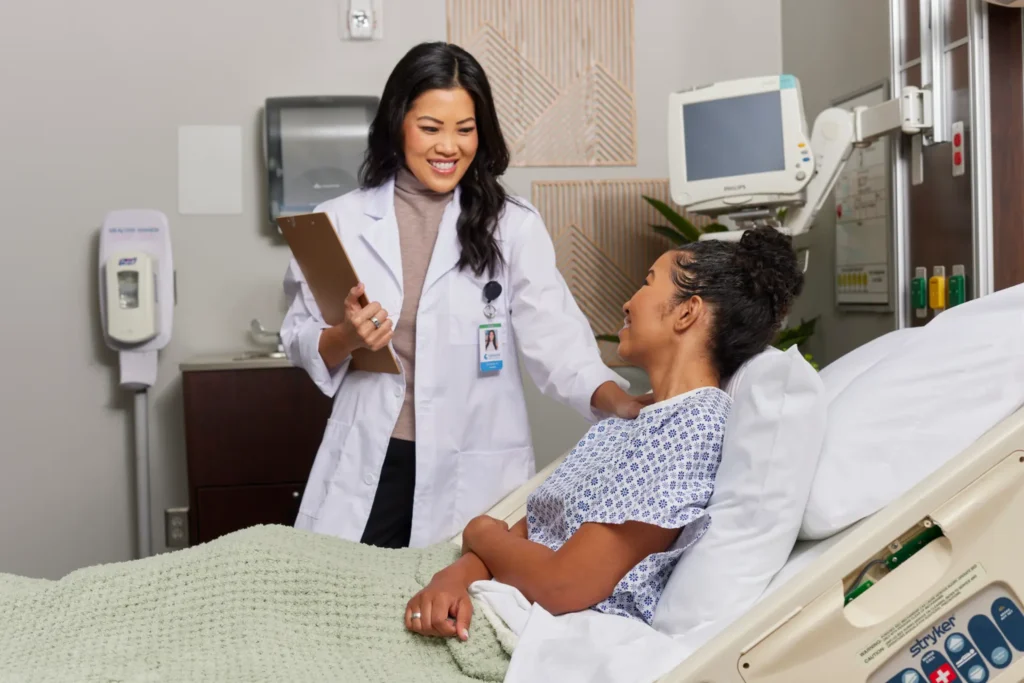
Infection prevention is the foundation of patient safety, organizational trust, and financial stability. By aligning people, processes, and products through consistent protocols and evidence-based technologies hospital systems move from compliance to measurable prevention.
Every detail matters in infection prevention. Proper hand hygiene, thoroughly cleaned and prepared patient rooms, precise chemical use, and the right tools for each task reduce risks before they become visible. When clinical and support teams consistently follow validated protocols, infection prevention becomes part of the hospital culture — building trust, protecting patients, and reinforcing organizational excellence.
Ensure Quality Assurance
EVIDENCE IS WHAT MAKES SAFETY REAL
Disciplined, data-driven quality assurance turns safety into proof. Standardized audits, third-party benchmarking, and real-time measurement ensure every environment meets the highest standards for cleanliness, food safety, and infection prevention.
Quality Assurance (QA) is not a compliance exercise; it’s a living framework that ensures every action is measurable, transparent, and accountable. Hospitals that embed QA into daily operations move safety from assumption to evidence, reinforcing trust with staff, patients, and stakeholders.

Enable Technology-Driven Safety
CLARITY IN DAILY WORK REDUCES RISK LONG BEFORE IT REACHES THE PATIENT
Technology transforms safety by making critical work visible and actionable. When teams can track tasks, monitor progress, and identify emerging risks, they respond with greater precision and confidence.
Modern systems — automated disinfection, digital task management, and data dashboards — reduce variation, guide staff step-by-step, and prevent errors before they occur. By connecting people, processes, and data, technology embeds safety into daily operations, enhances accountability, streamlines communication, and ensures hospital environments consistently meet the highest standards patients expect and deserve.

Sustain Workforce Competency
SKILLED TEAMS CREATE SAFER, MORE RELIABLE CARE
Sustained safety performance requires empowered, competent teams. Continuous, evidence-based training ensures that every associate performs with precision and confidence.
Layered training strengthens consistency across teams. Classroom instruction, hands-on simulation, annual recertification, and real-time coaching help staff navigate complex situations with calm and competence.
Trained teams anticipate risk, respond skillfully, and embody a culture where safety is instinctive, protecting patients and improving outcomes.
Strengthen Operational Expertise
SPECIALIZED INSIGHT TURNS STANDARDS INTO RELIABLE OUTCOMES
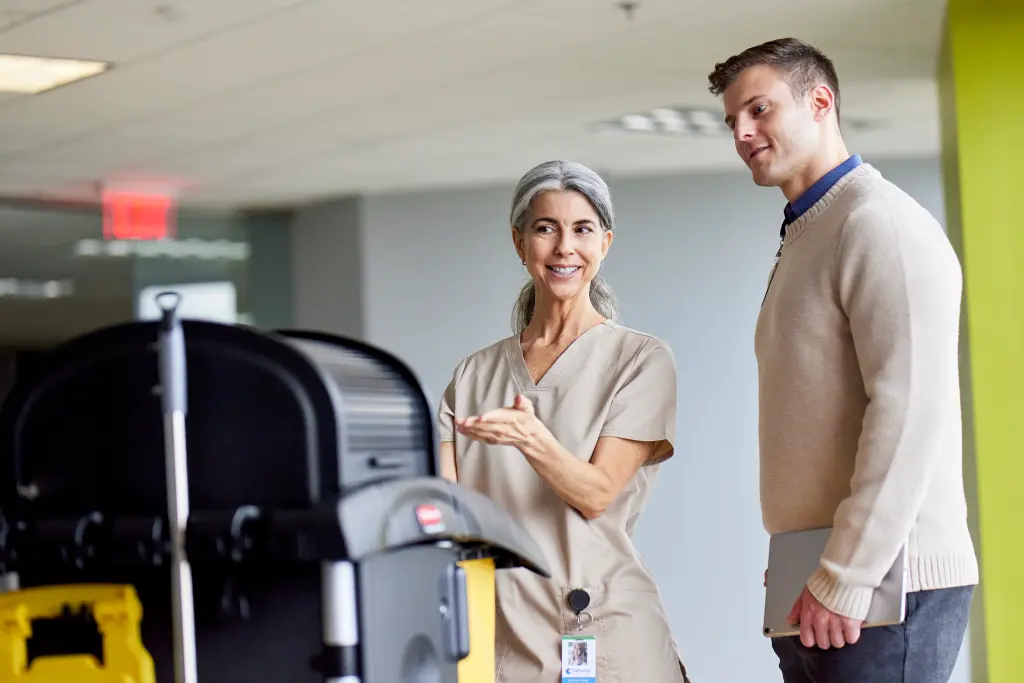
Non-clinical specialists translate protocols into consistent performance. Registered Dietitians, environmental quality leaders, patient observation managers, and transport trainers provide focused expertise that reduces risk, strengthens compliance, and frees clinical staff to deliver care.
By embedding expert oversight at every level, hospitals maintain operational consistency, reduce errors, and achieve measurable improvements in patient safety, regulatory readiness, and overall reliability.

Establish Clear Communication
THE RIGHT INFORMATION, SHARED CONSISTENTLY, STRENGTHENS EVERY OUTCOME
Transparent communication is the connective tissue of a reliable safety culture. When clinical and support teams share visibility, clarity, and understanding, errors decrease, response times improve, and confidence grows.
Structured communication – via huddles, digital boards, and real-time task assignment – ensures every associate acts from the same understanding of risk and readiness. Leaders who model openness and close feedback loops transform communication into a strategic tool for alignment, collaboration, and trust.

Build Accountability Culture
SAFETY ENDURES WHEN EVERYONE OWNS THEIR PART
Safety is sustained when accountability is collective. Every associate, leader, and partner contributes to reliable outcomes, ensuring standards are not only met but lived.
Bringing clinical and support teams under a unified safety vision creates a culture where ownership is visible, measurable, and reinforced by leadership. Shared accountability drives performance, strengthens culture, and makes safety an enduring organizational identity.