



Protect Time at the Bedside
ENABLE CAREGIVERS TO WORK AT THE TOP OF THEIR LICENSE
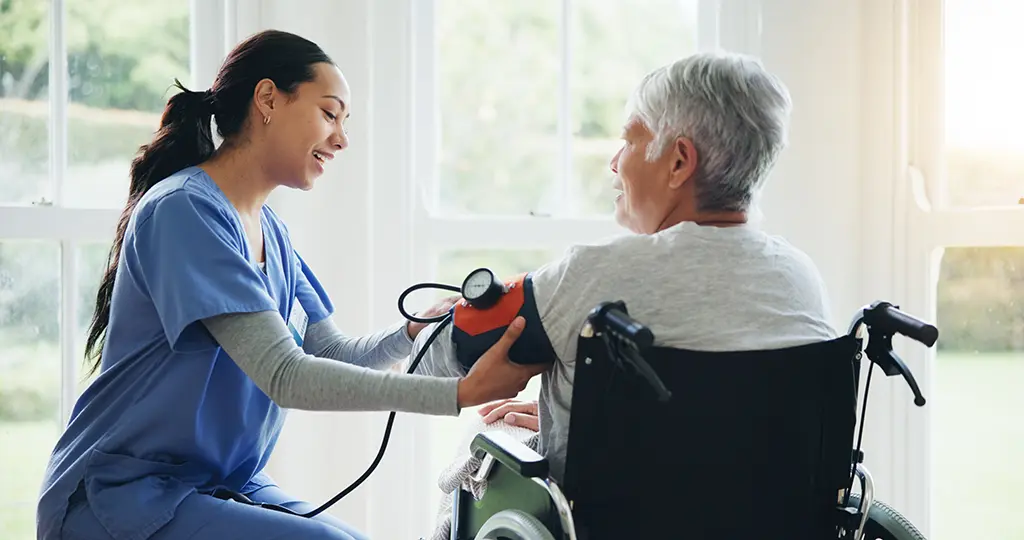
Caregivers deliver their best work when they can focus on the patients in front of them. Every minute a caregiver spends on non-clinical tasks is a minute lost for patients – and a risk to safety, satisfaction, and retention. Protecting caregiver time at the bedside strengthens operational performance, improves outcomes, and enhances morale.
Strategic leadership creates systems that return time to caregivers by reducing inefficiencies caused by fragmented communication, manual tasks, or administrative overload. Time protected for clinical work is a direct investment in patient safety, staff engagement, and organizational culture.

Enable Caregiver Efficiency
TECHNOLOGY SHOULD SIMPLIFY CARE, NOT INTERUPT IT
Caregivers depend on technology to support safe, timely care—but too often, disconnected tools slow them down. Technology adds the most value when designed around caregivers. Intuitive, connected systems streamline workflows, enhance communication, and amplify safety.
By aligning digital tools – from observation platforms to integrated apps – leaders reduce friction, foster collaboration, and return precious minutes to patient care. Hospitals that strategically implement technology see higher retention, stronger performance, and measurable enterprise value.
Streamline Care Delivery
WHEN COMMUNICATION WORKS, EVERYTHING ELSE WORKS BETTER
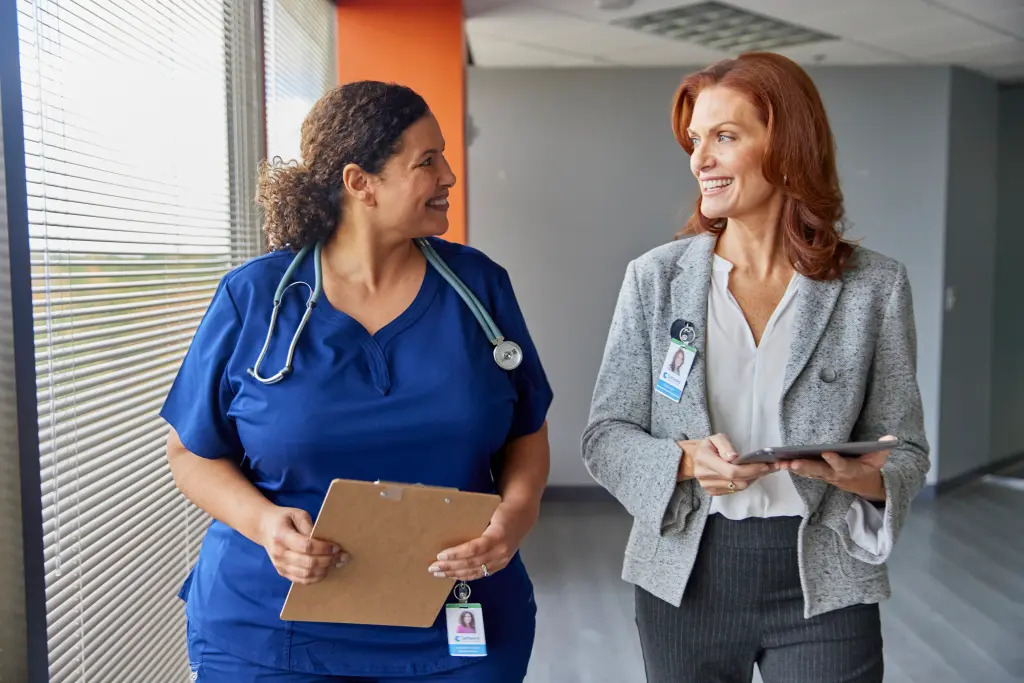
Fragmented communication and workflows drain time, increase risk, and reduce satisfaction. Optimizing communication pathways and connecting interdepartmental processes is one of the fastest ways to enhance caregiver experience and patient outcomes.
Unified workflows supported by smart technology empower nurses to work efficiently, reduce burnout, and improve safety. This approach is about connecting systems and people to support excellence of care, not simply adding tools.

Prioritze Caregiver Wellbeing
SUPPORTIVE SPACES STRENGTHEN THE PEOPLE WHO STRENGTHEN CARE
Spaces that support caregiver well-being are strategic investments, not luxuries. Accessible, restorative areas—such as nutrition hubs, wellness lounges, and break spaces – improve satisfaction, resilience, and retention.
When hospitals design spaces in collaboration with staff, they foster trust, reduce fatigue, and demonstrate that caregivers are valued. Supporting physical and emotional well-being strengthens patient care, operational stability, and organizational culture.

Elevate the Caregiver Voice
CONTINUOUS LISTENING TURNS INSIGHT INTO BETTER OUTCOMES
Caregivers know where systems break down long before the data shows it. Listening to nurses and clinical caregivers is a leadership imperative. Structured, ongoing feedback channels allow leaders to transform insights into action, preventing burnout and sustaining workflow improvements.
When caregivers see their feedback acted upon, engagement rises, retention improves, and system-wide outcomes follow. Embedding listening into daily operations turns culture into a measurable competitive advantage.
Align Clinical and Support Teams
ALIGNED TEAMS REDUCE DELAYS AND IMPROVE THE PATIENT JOURNEY
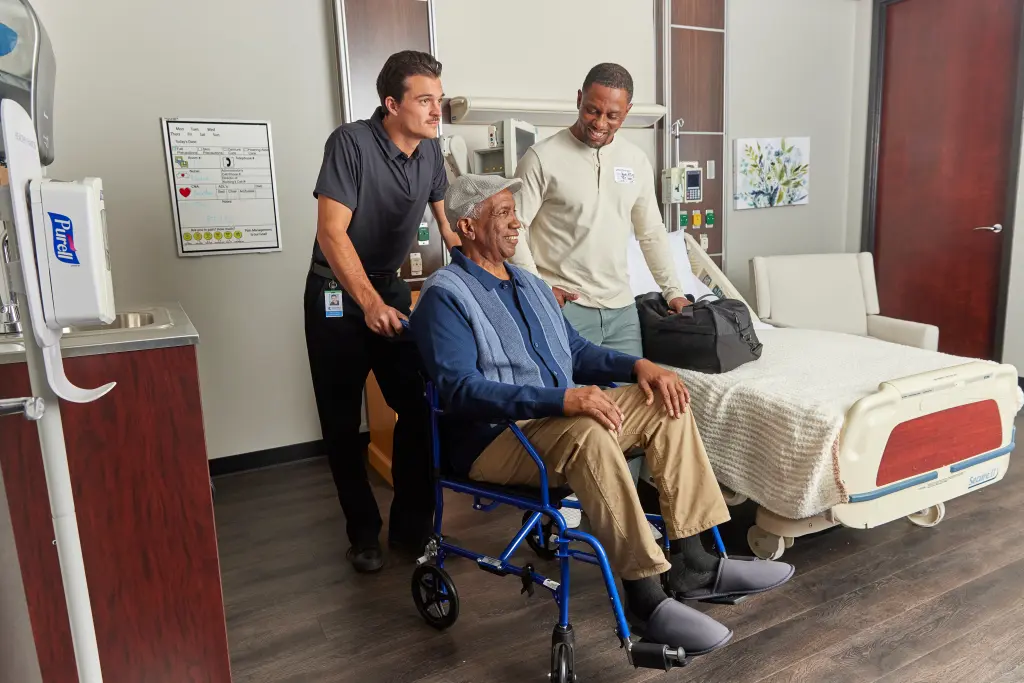
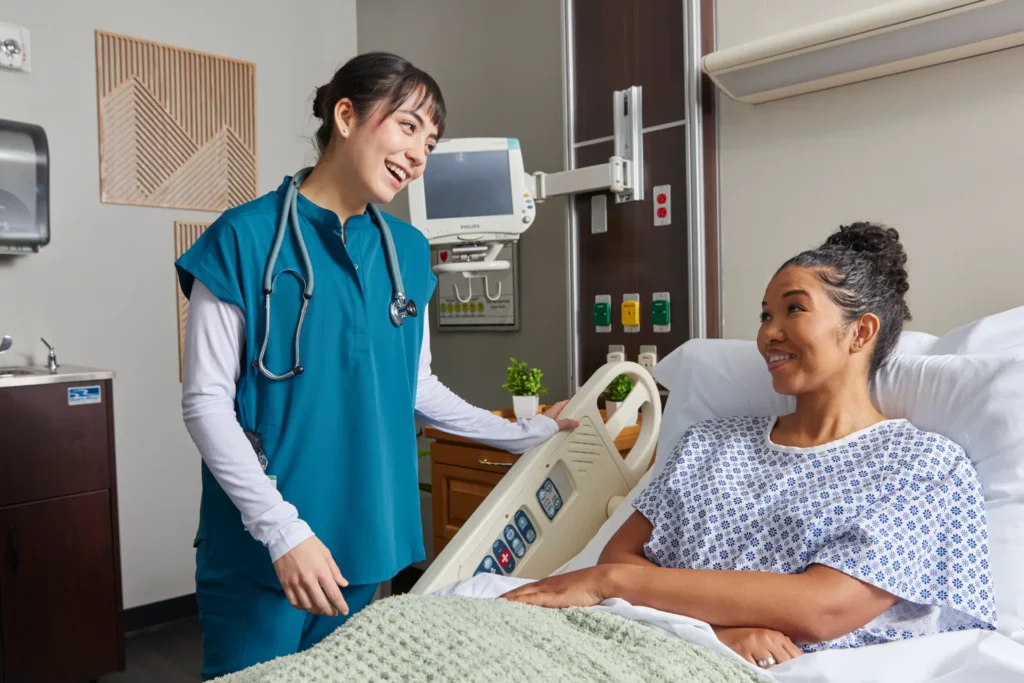
Caregivers rely on support teams every hour of the day — for equipment, meals, transport, clean rooms, and countless behind-the-scenes tasks. Exceptional hospitals achieve performance through collaboration between support and clinical teams. Aligning these teams creates a rhythm of care that enhances safety, satisfaction, and efficiency.
Leadership that intentionally dissolves silos builds communication pathways, shared priorities, and operational reliability. The result is a seamless patient experience, empowered caregivers, and a hospital that performs at its highest potential.